How to clean porcelain and ceramic tiles 10 golden rules for maintaining floor and wall coverings
A complete practical guide to answer all your queries about the best way to keep porcelain and white-body ceramic surfaces clean.
How to clean porcelain and ceramic tiles is still a top search query and a hotly disputed topic, not just on the Internet or social media but also in offline conversations every day.
From “how often should you clean porcelain tiles” to how to prevent stains on porcelain or white-body materials, a lot of questions and doubts remain about the best way to maintain floor and wall created using these tiles.
Truth to tell, cleaning porcelain and ceramic tiles is easier than you may think.
The secret lies not in elbow-grease or complex procedures but in knowledge of the material itself and the right products for maintaining it.
In this article, we provide you with the 10 golden rules for the care and cleaning of porcelain and ceramic tiles, clearing away all misconceptions and including the best guidance for bringing a shine to your floor and wall coverings with no effort at all.
What’s the difference between porcelain and white-body monoporous ceramics?
People often ask us about the basic difference between porcelain and ceramic tiles.
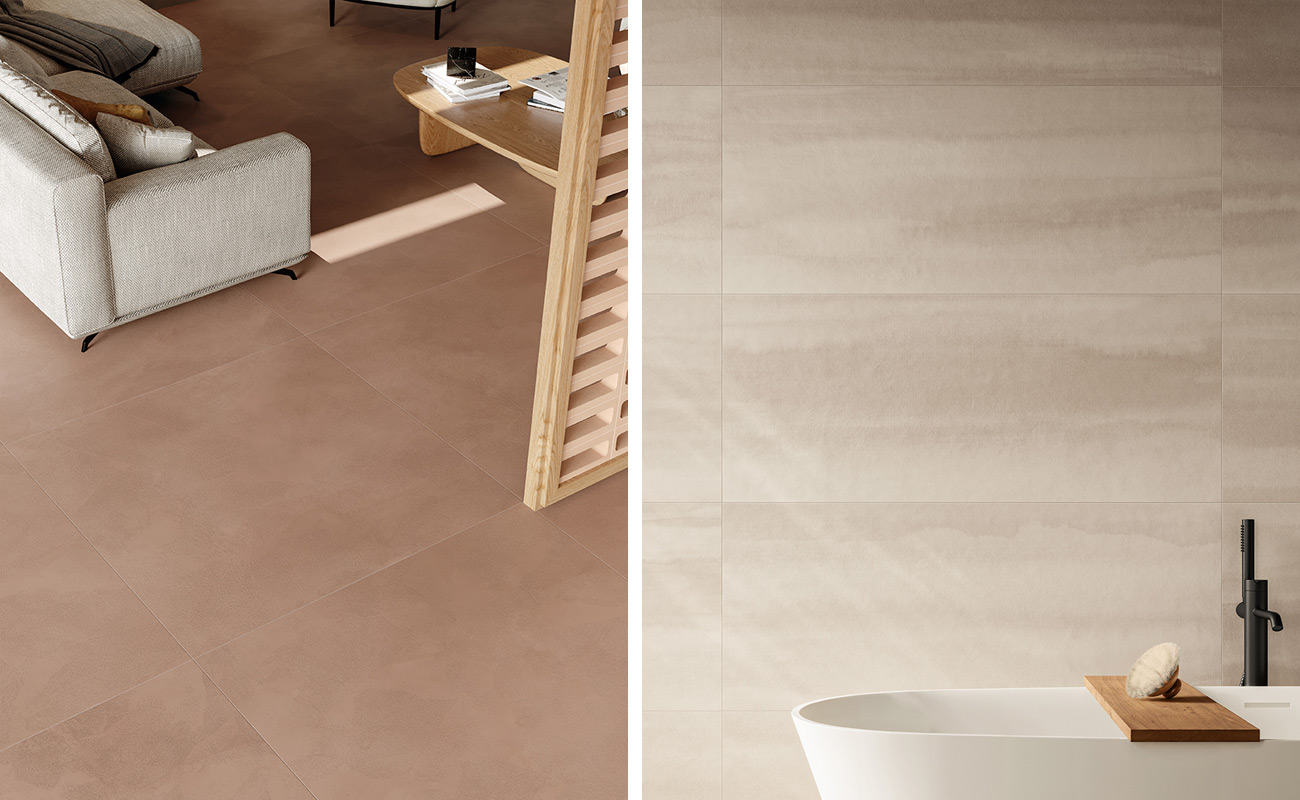
When people talk about ceramics, they really mean white-body monoporous products, made from a material that differs from porcelain in its composition, use and appearance. In fact:
- porcelain tiles are made from a mixture of clays, sand and other natural substances, fired at temperatures in excess of 1200 °C. This process, called vitrification, transforms the raw materials into a durable, compact tile with water absorption of virtually zero (less than 0.5%).
The name “porcelain” derives from the use of white clay, such as kaolin, which gives elegance and purity to the finished product.
Since they’re exceptionally versatile and durable - whether their colour and material are the same through their entire depth or they’re “glazed" with their patterning in their surface layer - porcelain tiles are particularly suitable for applications in damp or high-traffic locations or transit points, both indoor and outdoors.
- white-body monoporous tiles are also made from a mix of choice-quality raw materials, and in this case the distinctive white-toned body further enhances the shades of the colours applied on the surface, providing very bright, uniform hues.
This exquisite appearance is combined with a very pleasant texture and excellent hygiene properties, characteristics which make white-body monoporous a very popular interior design choice for wall tiling.
The main types of finish for porcelain and ceramic tiles
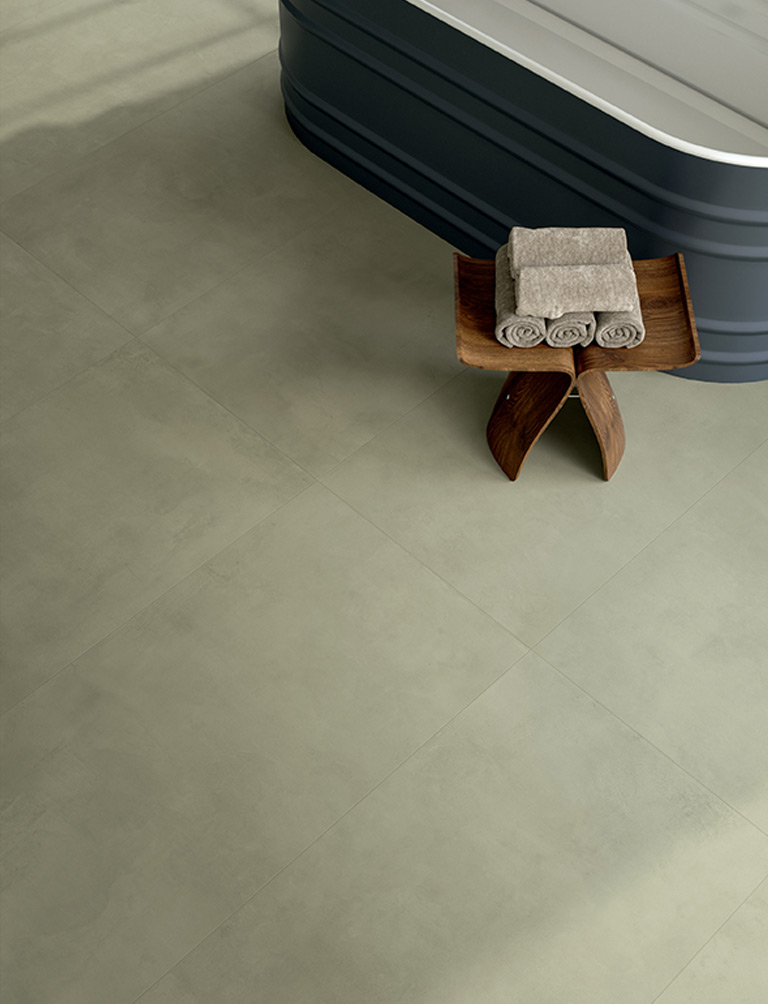
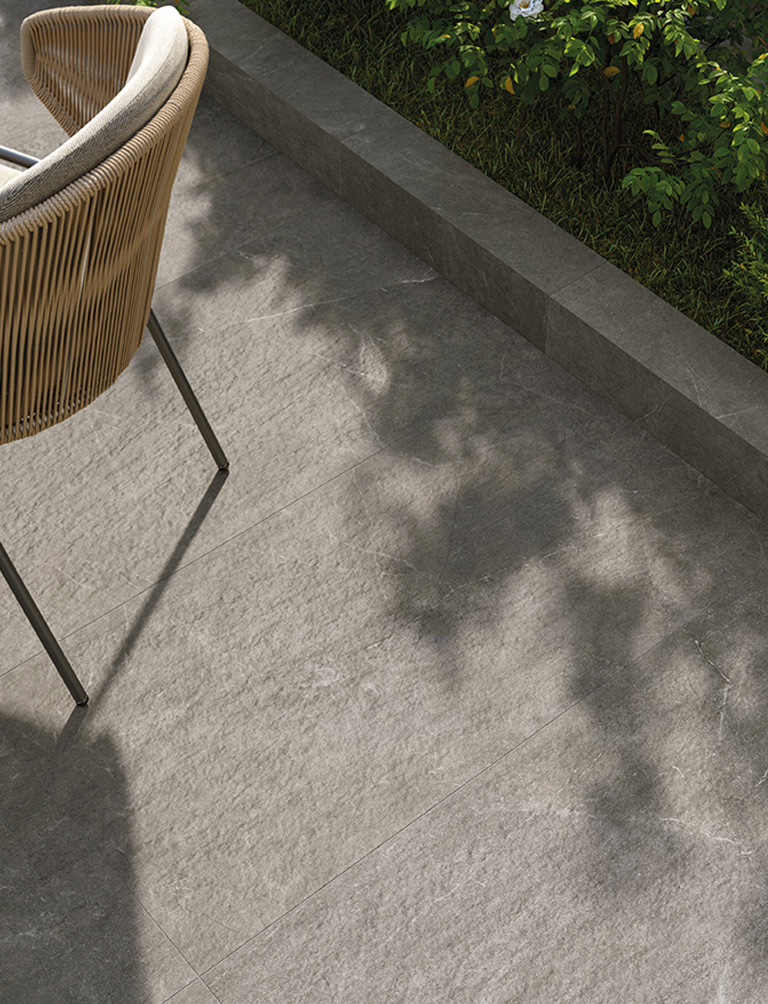
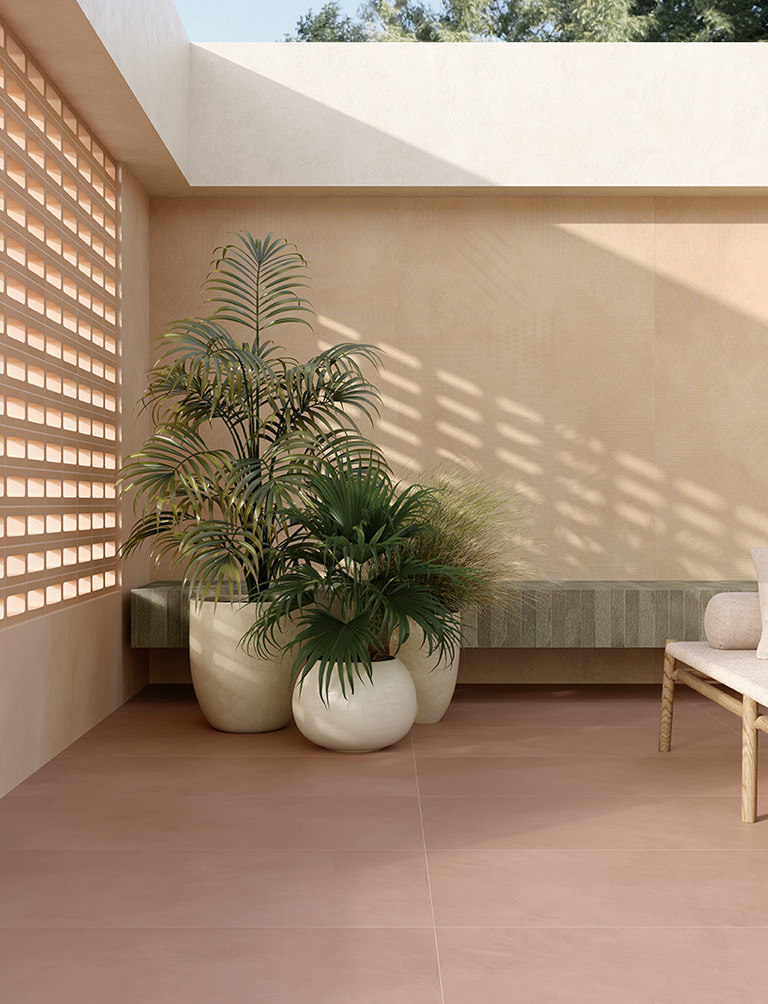
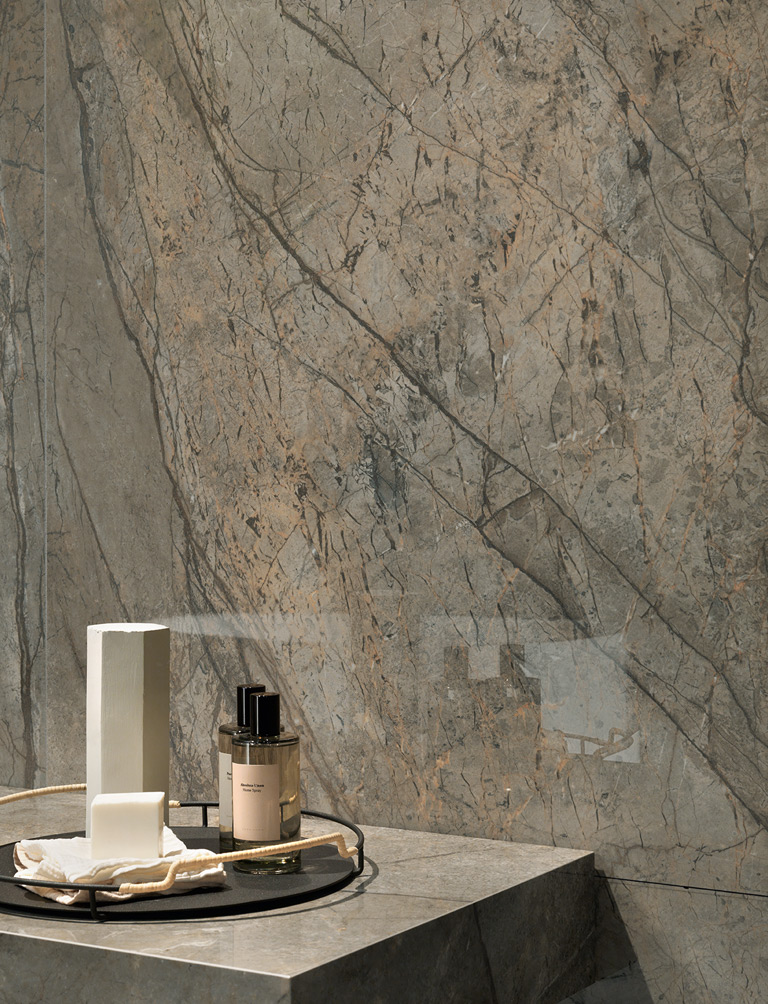
Now we’ve explained the difference between porcelain and white-body monoporous materials, it’s important to clarify the different types of finishes available for ceramic surfaces, because the best cleaning and maintenance method will depend on this factor.
These are the 5 main finishes:
10 golden rules and techniques for cleaning porcelain and ceramic floor and wall tiles
Now we’ve clearly understood the distinctive characteristics of the materials and specific types of finishes, we can move on to “how to” clean porcelain and ceramic tiles, on both floors and walls.
There are methods and products for all requirements. Our practical guide contains our 10 golden rules and techniques, drawn up on the basis of the frequently-asked questions (FAQ) identified on this topic.
1. How to maintain shine on porcelain and ceramic tiles over time
Here we have to distinguish between routine and intensive cleaning.
If carried out properly, routine cleaning - the procedure normally used if there are no serious problems - will help to maintain a shine on porcelain and ceramic coverings over time.
All you need is a damp cloth and a low-residue neutral cleaner, to be mixed with water depending on the level of soiling. Always remember to rinse thoroughly.
For Marca Corona surfaces, we recommend FILACLEANER, able to clean up to 2,000 m2 of surface with just one litre of product (dilution ratio 1:200), making cleaning environment-friendly and inexpensive.
2. How often should I clean porcelain and ceramic tiles?
Everyday care is definitely fundamental, although the cleaning frequency depends a great deal on the way the tiles’ location is used.
For high-traffic areas like a kitchen, cleaning every or every other day is ideal.
For other rooms, once or twice a week is enough to keep surfaces in perfect condition.
As already mentioned, low-residue neutral cleaners are great for the job and clean effectively without leaving streaks or waxy or silicone films.
3. How to clean porcelain and ceramic tiles without scratching them
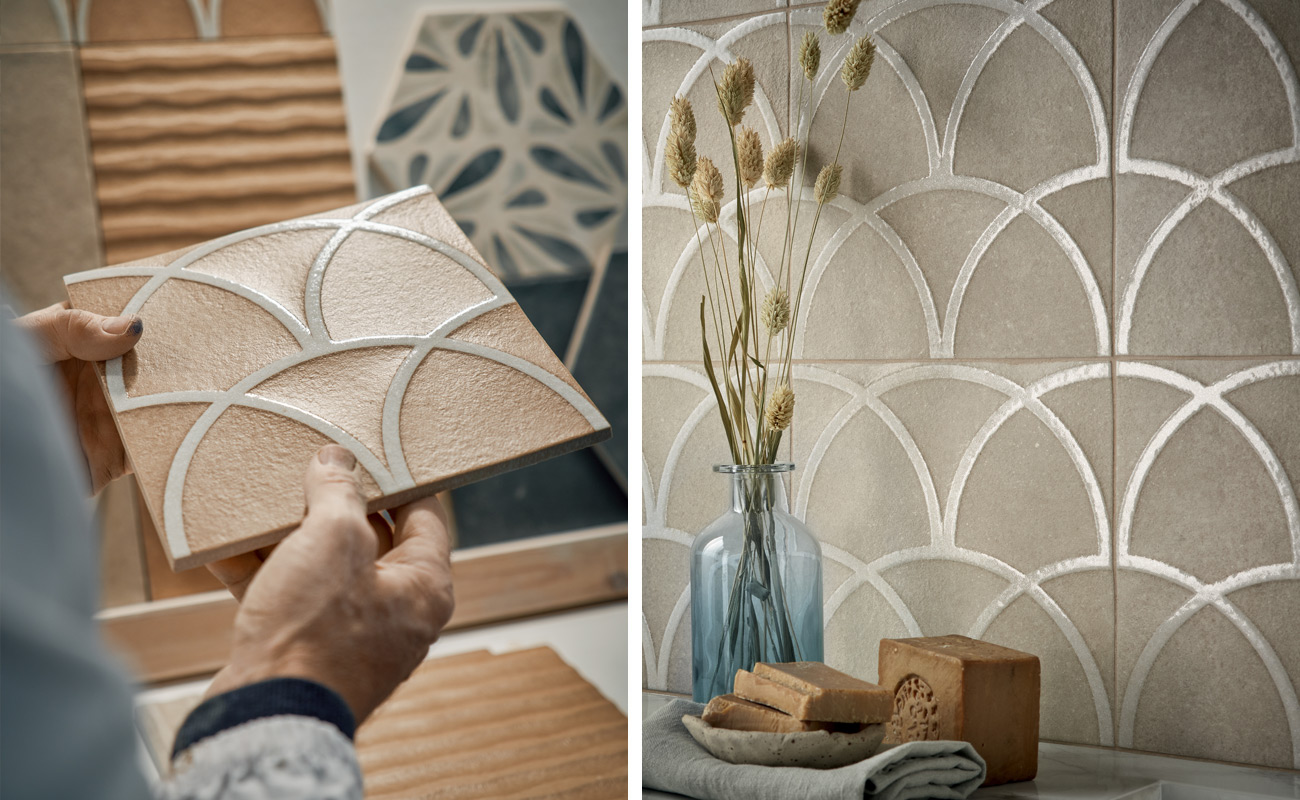
Often what people are most afraid of is accidentally scratching porcelain and ceramic tiles, damaging their coloured surface and dulling their shine.
Bearing in mind that materials like porcelain have unbeatable resistance to scratches and everyday wear, we need to think about the possible consequences of our “tools” and the after-effects of damage caused by the use of chemicals.
In the first case, it’s always preferable to use soft surface cleaning equipment, except when the use of bristle brushes is specifically recommended, as may be the case for outdoor tiles.
With regard to cleaners, products that contain waxes or polishes must be avoided at all times. In fact, they create scratches and surface films that attract and retain dirt.
4. How to prevent and remove stains on porcelain and ceramic tiles
Everyday life can leave its mark behind it, but on porcelain and ceramic tiles there’s a way of removing every stain.
Remember, porcelain and ceramics are inert surfaces, which don’t absorb liquids, stains or dirt.
Unlike materials like natural stone or wood, where a stain can penetrate deep down, on stoneware and ceramics everything stays on the surface, ready for trouble-free removal.
So if intensive cleaning is needed due to heavy soil or stubborn stains, our advice is to use a degreasing and stain removing product with a cleaning and wax-stripping action.
Always follow the instructions on the label carefully, especially with regard to using the product diluted or pure and how long it takes to act.
5. How to clean the joints in porcelain and ceramic tiles
During routine cleaning, the neutral cleaner will clean the joints effectively too.
For extra protection, especially just after laying, specific products can be applied to the tile and joint to create a barrier against dirt without generating surface films.
We advise strongly against using bleach, as it could damage the joints.
6. Can I use bleach or other DIY solutions for cleaning porcelain and ceramic floor and wall tiles?
When people talk about DIY cleaning solutions, they generally mean bleach, vinegar or sodium bicarbonate.
We advise strongly against using all of these for cleaning porcelain and ceramic floor and wall tiles.
Although they may appear harmless, these improvised solutions don’t have the targeted effectiveness of professional cleaners and in some cases they may be unsuitable.
Bleach, in particularly, is unnecessarily aggressive.
A neutral cleaner is more than enough for hygienic, safe cleaning, with no risk of damaging the joints or causing deterioration of the tiles themselves in the long term.
7. Is there any difference in the maintenance of matt and glossy porcelain?
Absolutely not. It’s a common mistake to think that a matt tile is harder to clean than a glossy one. It’s a fallacy.
Porcelain is a non-absorbent material irrespective of its surface finish.
The dirt always remains on the surface only, making cleaning just as easy for every kind of finish.
8. But is it true that rough tiles are easy to clean?
Here again, there’s a common belief that a rough-textured surface is harder to clean. That’s not the case, and in fact rough tiles can be cleaned very easily.
Remember: all surfaces, even the most deeply textured, are non-absorbent.
Dirt can’t build up because it stays on the outside, ready for removal.
9. How to clean outdoor porcelain tiles with textured and grip finishes
As we’ve explained, porcelain tiles with a textured or grip finish are best for outdoor areas.
Paving and wall tiles of this kind have the advantage that they’re very durable, since the material is resistant to freeze-thaw cycles and adverse weather in general.
The cleaning method is basically the same, but a stiff-bristle brush may be needed for effective action on the surface’s texture.
10. What do people most often overlook in the cleaning and maintenance of porcelain and ceramic tiles?
When it comes to routine cleaning, the golden rule is simplicity.
There’s a serious tendency to underestimate the importance of cleaning after installation, meaning the first cleaning after porcelain and ceramic tiles are laid.
Cleaning on completion of the job is fundamental to ensure easy care of surfaces in the future and must be carried out by a professional, who will thoroughly remove adhesive, grout and construction dirt residues the right way using specific products.
To conclude, the guidance we’ve supplied in this article is based on our own research and experience.
Crucially, effective cleaning and maintenance of porcelain and ceramic tiles may vary depending on the laying method, conditions of use and environment. Therefore, we accept no liability for damage caused by incorrect laying or negligent maintenance.